Why We Only Carry 100% Linen and Cotton (And Why It Changes Everything)
The Fabric Question We Get Asked Most
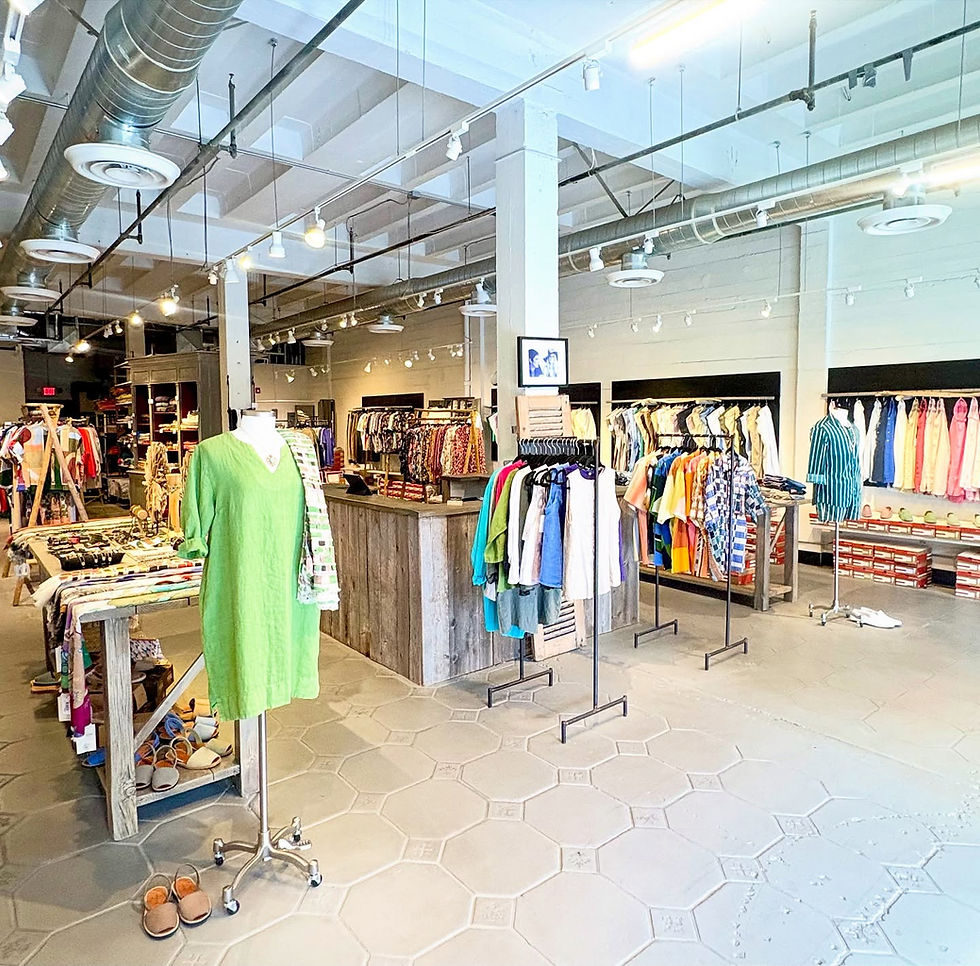
Customers who come into the boutique in Palm Springs often ask the same question within the first few minutes of browsing: is everything really natural fiber? The answer is yes — always. Every piece in the Benjamin Perdereau collection is made from 100% linen or cotton. No blends, no synthetics, no exceptions. This is not a trend position or a marketing claim. It is the baseline standard every designer in our collection is held to, and it has been from the beginning.
What Linen Actually Does in the Heat
Linen is the oldest textile in human history for good reason. It is hollow at the fiber level, which means it breathes in a way cotton cannot quite match — it wicks moisture away from the body, dries quickly, and stays comfortable in the kind of sustained heat that Palm Springs delivers from May through October. If you have ever spent a desert summer in a polyester blend, you understand intuitively why this matters.
European makers have been working with linen for centuries, and the quality of European linen — particularly from French and Italian producers — reflects that accumulated knowledge. The weave is tighter, the hand feel is more refined, and the way the fabric softens with washing is qualitatively different from what you get with a commodity linen. Our customers notice this difference and come back for it.
Why Cotton Earns Its Place
Cotton brings a different set of qualities — slightly softer initially, more familiar to American customers, and extraordinarily versatile across garment categories from swimwear cover-ups to structured shirts. The European cotton in our collection tends toward organic and lightweight constructions that feel almost like a second skin in the heat. When our designers choose cotton over linen, it's always a deliberate decision based on what the garment needs, not on what's cheapest.
The Sustainability Argument (Without the Lecture)
Small-batch production and natural fibers are inherently more sustainable than mass manufacturing in synthetic materials — not because we set out to make an environmental statement, but because they are simply better products made in better ways. When you buy a well-made linen shirt from an independent European designer, you are buying something that will outlast a dozen fast-fashion alternatives. That is sustainability in its most practical form.
"Natural fibers age into the clothes they were always supposed to be. That's why our customers come back for the same designers year after year."
Find Your Natural Fiber Piece
Browse the full collection at Benjamin Perdereau — or visit us in downtown Palm Springs and let us find the right fabric for the way you actually live.


Comments